


What is Melamine Paper and Why Does Size Matter?
Melamine paper, often simply called hârtie decorativă , is a key component in the production of laminates and veneered panels used in furniture, flooring, and interior design. În esență, este o hârtie de specialitate imprimată cu un design decorativ (cum ar fi granulația lemnului, culoarea solidă sau modelul abstract) care este impregnată cu o rășină termorezistabilă, în primul rând melamine-formaldehyde resin .
Când este supusă la presiune ridicată și căldură, această hârtie îmbibată cu rășină se topește și se întărește, formând un strat de suprafață dur, durabil, rezistent la zgârieturi și rezistent la umiditate. This process is how everyday items like kitchen countertops, laminate flooring, and office desks get their tough, attractive finish.
Cuvântul cheie, Hartie melaminata de dimensiuni mari , refers to a specialized product within this industry. Pe măsură ce procesele de fabricație pentru panourile din lemn (cum ar fi MDF și plăcile de particule) au avut tendința către foi mai mari, fără sudură, pentru a reduce risipa și timpul de asamblare, cererea pentru hârtii decorative mai largi a crescut. Lățimile tradiționale de hârtie pot necesita mai multe coli sau o aliniere atentă, dar rolele mai largi permit producătorilor să acopere un întreg panou cu o singură coală de hârtie decorativă, asigurând un aspect perfect, uniform și eficientizarea producției.
From Wood Pulp to Durable Design: The Manufacturing Journey
The journey of melamine paper begins with a highly absorbent, high-quality base paper.
The Printing Stage: Where the Look is Created
This base paper is first fed through large industrial rotogravure printers. These are similar to newspaper presses but designed for extremely fine detail and precise color matching. Wood grain designs, for example, are meticulously reproduced using engraved rollers to achieve a realistic texture and depth of color. The quality of this printing is crucial, as it provides the aesthetic appeal of the final product.
The Impregnation Stage: The Resin is the Secret
Once the paper is printed, it is passed through a bath of liquid melamine-formaldehyde resin . This resin is a clear, viscous liquid. Procesul este cunoscut ca impregnare , and it’s where the paper gains its superpowers. The resin penetrates every fiber of the paper.
După baie, hârtia este mutată printr-un cuptor lung, la temperatură ridicată, unde excesul de solvent este eliminat, iar rășina este parțial întărită, lăsând hârtia uscată, dar încă puțin lipicioasă. At this point, the paper is not yet a laminate; it’s a semi-cured product that is stable and can be rolled and stored. This is the stage where the Hartie melaminata de dimensiuni mari is prepared for its final destiny—the laminating press.
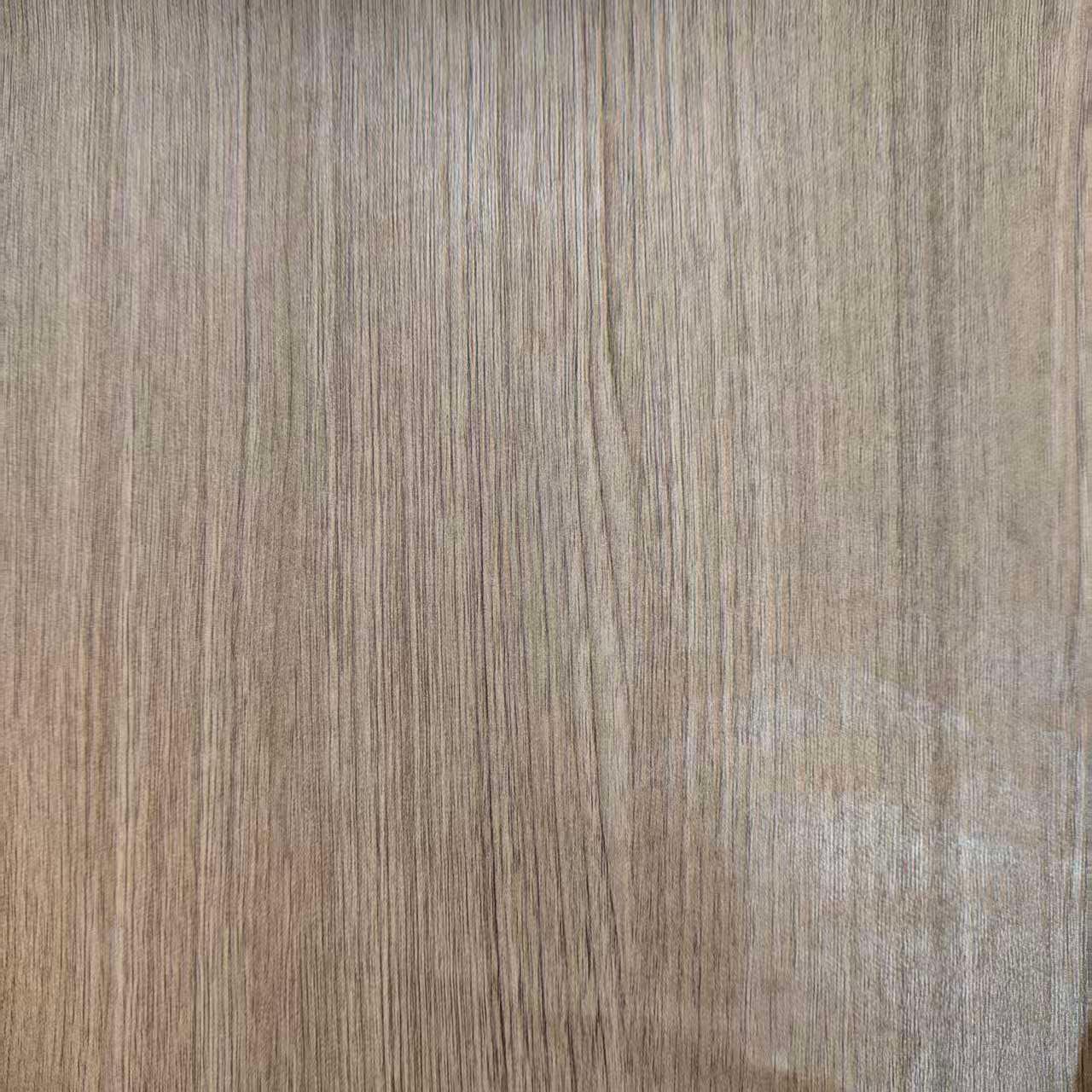
The Pressing Matter: Creating the Final Product
The true transformation happens when the impregnated paper is laid onto a substrate (like a particleboard panel) and pressed.
High-Pressure Laminate (HPL) vs. Low-Pressure Laminate (LPL)
There are two main applications for melamine paper:
- Low-Pressure Laminate (LPL) or Melamine Faced Chipboard (MFC): This is the most common application where the wide-sized melamine paper is directly pressed onto a wood panel (like particleboard or MDF). The press operates at a lower pressure and for a shorter duration. The result is a finished board perfect for cabinets, shelving, and furniture.
- High-Pressure Laminate (HPL): Here, multiple layers of phenolic resin-soaked kraft paper are pressed together first, and the melamine paper is used as the top layer. This creates an extremely durable, thick, self-supporting sheet that is later glued onto a substrate.
In both cases, the heat and pressure activate the remaining resin, causing it to cross-link and polymerize fully. The paper essentially turns into a rigid, plastic-like sheet that is chemically bonded to the panel below. This is what provides the finished surface with its unparalleled resistance to scratches, heat, and household chemicals.
Environmental and Economic Impact
Melamine paper technology offers significant advantages over using natural materials:
- Sustenabilitate: Reduce dependența de furnirurile din lemn real și lemnul masiv, permițând producătorilor să utilizeze produse din lemn de inginerie rapid regenerabile (cum ar fi MDF) ca bază, promovând utilizarea eficientă a resurselor forestiere.
- Consecvență și cost: It allows for perfectly consistent colors and patterns across millions of panels, something impossible with natural wood. Furthermore, it is a far more economical way to achieve premium looks, making high-end aesthetics accessible to the mass market.
- Durabilitate: Duritatea inerentă a suprafeței melaminei înseamnă că produsele finite durează mai mult și necesită mai puțină întreținere decât multe suprafețe tradiționale din lemn finisate.
Utilizarea Hartie melaminata de dimensiuni mari continuă să stimuleze inovația în industriile mobilei și construcțiilor, făcând suprafețele moderne, durabile și atractive standardul în case și afaceri de pe tot globul.


